Get your FREE 15 min Consultation
If you are struggling with sexual problems, do not hesitate to call for help. I am offering you a 15-minute consultation to help you understand whether your problem requires professional therapy.

Tantra has been perceived as mystical, too far to reach for “regular people” or have been overly sexualised. I’m here to demystify this wonderful practice that needs to be normalised and incorporated into intimacy and general connection between people. You probably are already practising it without knowing it.
But let’s start with the history of Tantra. It has its roots in India, and Buddhism presents it as a sacred art of connection on a higher spiritual level. The earliest evidence we have of Tantric practice dates back to the 5th century. When it was Westernised, it also became very sexualised and connected to kink. It has been presented as a fancy sex technique. This is not what Tantra was practised for.
Tantric practice is about deepening the connection between people in a more non-verbal and energetic way. This can be between lovers, but also in non-romantic relationships. I would compare this practice more to partner yoga rather than to a couple copulating.
To practise Tantra, you first need to understand the Tantric mindset. In Tantra, people perceive each other as Gods and Goddesses: the incarnation of divine energy on Earth in a human body. Spiritual practice is based on the notion that we are “the universe experiencing itself on Earth” or “the divine soul that chose to have a human incarnation” so that we can learn here on Earth. We learn a lot through connection with other people.
Spiritual beliefs describe people as mirrors of each other. For example, when you look into someone else’s eyes, their emotions can become clearer to us. When we see a person in front of us experiencing an emotion, we can also start to feel similar or to have corresponding emotions. This is also called in couples therapy “co-regulation”. You regulate your nervous systems together by feeling your emotions together.
This is what happens during a Tantric ritual. Rituals are a big part of Tantric practice. People often include activities like feeding each other food mindfully and paying attention to the smell, taste and texture of the food or beverage. They might include setting an intention for the ritual together as well. For example: “My intention is to understand my partner better.”
Setting the scene before the ritual is also important. Make sure that your space is clean and prepared for any activities that you have planned to do. You can think of things like candles, incense and accessories such as feathers that you can trace over each other’s bodies.
As a Tantra practice facilitator, I often run events around Sydney where I guide simple Tantric practices for people at speed-dating and conscious-connection events. During these practices, I ask them to trace their hands around each other’s bodies (no touching), just to see how it feels to have someone’s body close and to experience that emotional connection.
During those practices, I remind people to always pay attention to their breath and their body, to feel the sensations in their bodies that these practices are bringing up. I might ask them to say an affirming mantra to their partner, perform synchronised movements together, or practise breathwork exercises while facing each other. This creates a joint spiritual practice so that they can experience themselves through another person’s eyes. They can be witnessed, held emotionally in an unconditional way, and practise unconditional love.
In today’s society, a big portion of relationships is transactional, and practices conditional love that says, “Behave in a particular way, be in a particular way so that I can love you.” Spirituality challenges that and compares it with the unconditional love and that says: “I will love you with everything that you are, when you are close but also if you are not with me.” This does not mean that we should accept bad behaviour or stay with people no matter what. It means that some people might need to be loved from very far away.
Tantra helps us to step into that sacred form of love and regard for another person that has no judgement or expectations. Often during practice, people cry, feel deeply and connect profoundly. That is because the power of unconditional love is purifying our bodies from heavy feelings and subconscious traumas. This is helping us build better subconscious beliefs that will help us receive unconditional love from others.
When you grasp this concept, you will start to understand Tantra better as well. These are not just techniques. If you don’t allow yourself to go through the motions and look deeply within at your fears, insecurities and your strong ability to love, you will remain on the surface, and Tantra will remain a silly little exercise.
Tantra is a deep embodiment practice that can also help you understand your boundaries more. I always mention at the beginning of my workshops:
“You are an active party in this practice. It’s your responsibility to say ‘no’, to voice your concerns or to remove yourself when needed. But it is also your responsibility to pay attention to your partner and check in with them about their emotional state.”
Without boundaries, Tantra can become the opposite of a healing experience. So always remember to talk about consent, boundaries and what is off-limits, even if you are doing it with a partner or a friend. Staying present and connected to yourself and your boundaries, but also to the boundaries and needs of the other person, is crucial. This requires deep meditative focus and self-regulation.
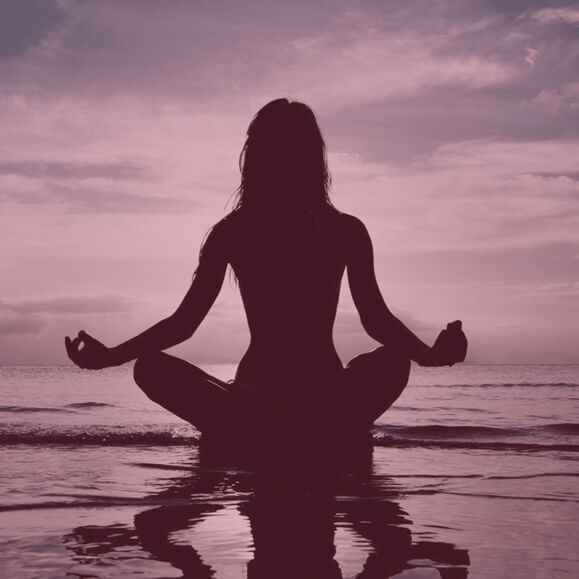
With your partner, sit down in a cross-legged position in front of each other. You can hold hands if you would like to do so. Focus on your breath while looking at each other. Look into the left eye of your partner. Now, for at least two minutes, look at each other, allow your emotions to come up, and continue to breathe slowly and deeply into your stomach.
When you finish, in your mind, send love and affection towards your partner. Appreciate them in your mind and then out loud by saying, “I appreciate your presence.”
After the practice, you can hug and talk about your emotional experience.
What happened in your body?
Where did you feel your emotions?
What are the names of the emotions that you felt?
———————
You can, of course, incorporate Tantra into your bedroom life with your partner, but also if you are single. When you self-pleasure or practise as a couple, focus on the sensations in your body and feel your feelings as you give yourself or your partner touch. You can also use massage oils when you are doing this.
A mindful massage, where you talk about your preferences for certain types of touch, give each other directions and swap sides, is one of the best ways to heal sexual trauma, increase libido and treat sexual difficulties. If your dynamic and communication are healthy, of course.
I explain more about communication and intimacy in couples in my online course, “Regain the Spark in Your Relationship”.
Regain the Spark in Your Relationship – Love Empowerment Clinic
No account yet?
Create an Account