Get your FREE 15 min Consultation
If you are struggling with sexual problems, do not hesitate to call for help. I am offering you a 15-minute consultation to help you understand whether your problem requires professional therapy.

Have you ever noticed that two people can go through exactly the same situation and walk away with completely different experiences? One person gets rejected after a date and thinks, “I’m never going to find love.” The other thinks, “Clearly they weren’t my person.” The event is the same, but the story they tell themselves is completely different. That’s because our lives are not only shaped by what happens to us—they’re shaped by what we believe about what happens to us.
As a therapist, this is something I see every single week. We all experience difficult emotions, and we should. Anger, sadness, disappointment, fear, frustration, embarrassment and self-doubt are all part of being human. Healing isn’t about becoming someone who never feels these emotions. It’s about allowing yourself to feel them, understanding where they come from, processing them and then deciding what meaning you want to give them.
This is where your belief system becomes everything.
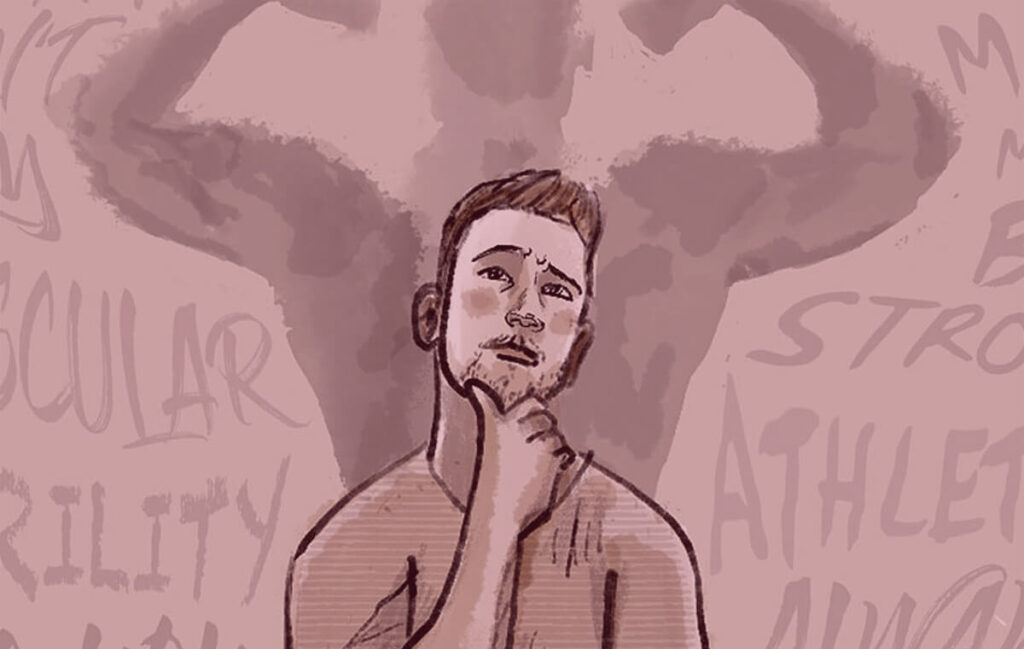
Our emotions are real, but they are not always telling us the truth. Sometimes they’re telling us the story we’ve been carrying since childhood. If you’ve spent years believing you’re not enough, your brain will naturally interpret many situations as proof that you’re not enough. If you’ve always believed that people leave, every cancelled plan or delayed text message can feel like confirmation that you’ll be abandoned again.
Our brains are incredibly good at collecting evidence for what we already believe. Psychologists call this confirmation bias. I call it your brain acting like an overenthusiastic detective who has already decided who committed the crime before looking at the evidence. If you believe you’re unlovable, your mind will collect every rejection, every criticism and every awkward conversation as proof. At the same time, it’ll quietly ignore the compliments, the healthy relationships and the people who genuinely appreciate you because they don’t fit the story.
The good news is that if your mind can collect evidence for limiting beliefs, it can also collect evidence for empowering ones.
One of my favourite reminders is this: not everything your emotions tell you is true, and not everything other people tell you is true either.
Maybe someone once told you that you’re “too much.”
Too emotional.
Too sensitive.
Too intense.
Too opinionated.
Too ambitious.
Too affectionate.
Too loud.
But have you ever stopped to wonder whether you were simply standing in front of the wrong audience?
Imagine walking into a library and starting a dance party. The librarian would probably think you’re far too much. Now imagine doing exactly the same thing at a music festival. Suddenly you’re the life of the party.
You didn’t change.
The environment did.
The same thing happens in relationships. Sometimes people call us “too much” simply because they don’t have the emotional capacity to meet us where we are. Your honesty might feel overwhelming to someone who avoids vulnerability. Your kindness might feel suspicious to someone who has been hurt. Your confidence might intimidate someone who is deeply insecure.
That doesn’t automatically mean something is wrong with you.
Sometimes life places these people in front of us because they expose the parts of ourselves that still need healing. They bring our insecurities to the surface so we can finally process them instead of carrying them for another ten years.
I know that’s not always the easiest perspective to have when you’re crying on your bathroom floor wondering why life keeps throwing the same lessons at you. Trust me, I’ve had those moments too. But over time I’ve learned to ask a different question. Instead of asking, “Why does this always happen to me?” I ask, “What is this experience trying to teach me?”
That one question changes everything.
Instead of believing, “I only attract bad partners,” I might choose to believe, “Life is helping me become someone who can recognise healthier relationships.”
Instead of believing, “Everyone leaves me,” I can choose, “The people who are not aligned with me are making space for the ones who are.”
Instead of thinking, “I always fail,” I can remind myself, “Every challenge is teaching me something that my future self will be grateful for.”
Notice that I’m not pretending difficult things don’t happen. I’m not suggesting you should ignore red flags or convince yourself that every painful experience is wonderful. Healthy beliefs aren’t about living in denial. They’re about refusing to let temporary circumstances become permanent identities.
Your current reality is simply a snapshot of where you’ve been, not necessarily where you’re going.
One of the biggest mistakes I see people make is creating beliefs based only on their current circumstances. If you’ve had three unhealthy relationships, it’s easy to conclude that all relationships are unhealthy. If you’ve experienced rejection, it’s tempting to believe that you’re simply not lovable. But your current reality is often a reflection of your past beliefs, not your future possibilities.
If you want a different future, you need beliefs that belong to that future—not beliefs that keep you emotionally tied to your past.
This doesn’t happen overnight. Building a healthier belief system takes awareness, patience and repetition. Every time your inner critic tells you a familiar story, you have an opportunity to gently question it. Is this actually true? Is there another explanation? Is this belief helping me become the person I want to be?
Over time, those small moments of awareness become a new way of living.
As a psychotherapist, couples therapist and sexologist, I help people uncover the beliefs that quietly run their lives. Together we explore where these beliefs came from, process the emotions attached to them and replace them with healthier, more empowering beliefs that support fulfilling relationships, greater confidence and emotional freedom. You don’t have to stay stuck in the same story forever. Sometimes the greatest transformation doesn’t come from changing your circumstances—it comes from changing the meaning you give them.
When life feels heavy, I come back to these reminders:
Remember, your belief system isn’t just a collection of thoughts. It’s the lens through which you experience your entire life. When you change the lens, you begin to change the world you see—and eventually, the world you live in.
Explore other articles, books and online courses. Or work with me, explore my services on the Home Page. Book your FREE 15min phone consult.
No account yet?
Create an Account